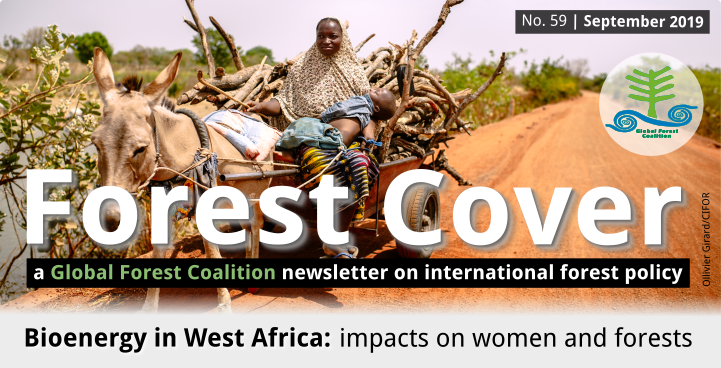
Forest Cover 59: Bioenergy in West Africa – impacts on women and forests
18 September 2019
This week the Global Climate Strike begins, a worldwide campaign initiated by young people to protest against the destruction of their future. We strongly support these actions and call upon policy-makers to support real and rights-based solutions to the climate emergency, rather than the false solutions that are being pushed. Bioenergy is one of the most prominent of these false solutions.
In this issue of Forest Cover we explore the full spectrum of bioenergy developments and use in West Africa and how they are impacting women and forests. The articles cover bioenergy in its very large-scale, requiring huge areas of land to provide the raw materials, to the ubiquitous and time-old household and community-scale, where wood is collected mainly by women to meet domestic energy needs.
Examples from six West African countries and a critical look at finance for bioenergy developments analyze the following: traditional forest biomass use (and whether improved cookstoves should receive climate finance), biomass power stations for electricity, biofuel power stations that burn ethanol derived from food crops such as cassava, and biogas produced through the fermentation of agricultural wastes. All operate on different scales and have varying impacts but, importantly, the articles focus on gender-differentiated impacts as an often under-represented dimension in the bioenergy debate.
Put together the articles make a strong case for the need for safer and cleaner alternatives to bioenergy at all scales, in order to protect forests and to end gender-based discrimination that is so ingrained due to the traditional division of labour and women's lack of secure land rights. Rural electrification based on true renewable such as solar, and community-owned biogas, could alleviate energy poverty in some of the communities with the lowest rates of access to energy in the world. Similarly, gender-responsive and community-governed forest conservation and restoration is a far more equitable and sustainable approach to managing forest resources than commercial tree plantations.
You can download the print version or read the articles individually below. You can also subscribe to our mailing list to receive Forest Cover and other publications.
Download the print version in English (web quality 11.8MB | low resolution 0.8MB)Contents:Editorial: Uncovering the impacts of bioenergy on women and forests in West AfricaAfrican plans for biomass energy & Eucalyptus plantations in GhanaWomen and forests under pressure in Benin due to reliance on fuel wood and charcoal Biomass use in Togo: what are the risks for women?Should improved biomass stoves be supported with climate finance?Community-run biogas increasing climate resilience for women in Burkina FasoBioenergy in Nigeria: a solution or problem for people and the environment?The impact of bioenergy developments and practices on communities and women in Liberia
Uncovering the impacts of bioenergy on women and forests in West Africa
By Juana Vera Delgado, GFC, Peru, and Kwami Kpondzo, GFC & Friends of the Earth Togo
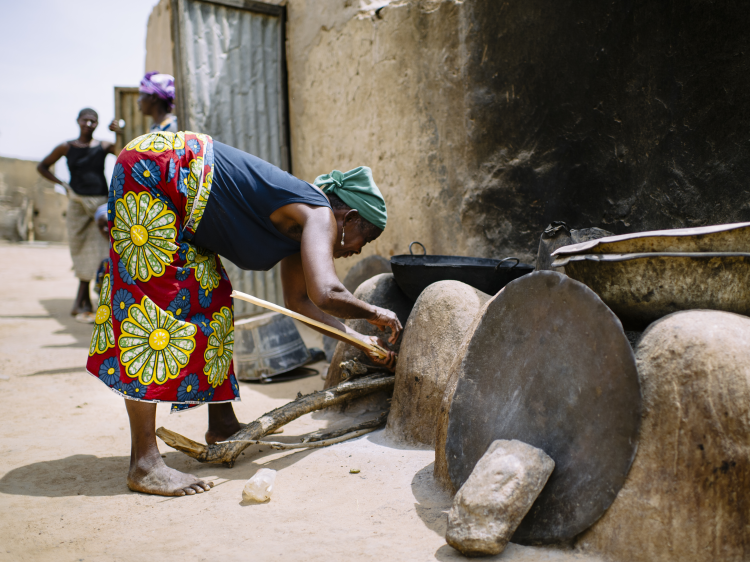
Lighting a cookstove in Burkina Faso. Ollivier Girard/CIFOR
In this issue of Forest Cover we explore the full spectrum of bioenergy developments and use in West Africa through a gender lens. We cover the very large-scale, requiring huge areas of land to provide the raw materials, to the ubiquitous and time-old household and community-scale, where wood is collected mainly by women to meet domestic energy needs.
Bioenergy is a wide-ranging term that describes any energy source that exploits the solar energy stored in all biological matter. It is often divided into two broad categories, traditional and modern bioenergy, and the articles that follow reflect this broadness. They cover traditional forest biomass use, biomass power stations for electricity that burn wood (eg eucalyptus or rubber wood), biofuel power stations that burn ethanol derived from food crops such as cassava, and biogas produced through the fermentation of agricultural wastes. All operate on different scales, and have varying impacts, but all fall under the broad category of bioenergy.
These articles are drawn from on-the-ground experiences in six West African countries and a critical look at international finance for bioenergy developments there. Importantly, the articles focus on gender-differentiated impacts as an often under-represented dimension in the bioenergy debate. Bioenergy has by far the largest land footprint of any form of energy generation and is often one of the main drivers of landgrabbing, and which results in conflict with communities and human rights abuses, and impacts on forests, biodiversity and fresh water resources. Decreasing food sovereignty is also closely associated with modern bioenergy generation. At the other end of the scale, entrenched gender roles ensure that women and girls must search for and collect traditional sources of bioenergy. This adds to women’s already overburdened workload, especially in communities where their work is undervalued and unpaid (collecting wood and water, cooking, taking care of children and elders and farming, among other duties).
Bioenergy: any energy source that exploits the solar energy stored in biological matter.
Modern biomass: where wood or other energy crops are burned in power stations to produce heat and/or electricity.
Traditional biomass: burning wood, charcoal or agricultural wastes in stoves for cooking and heating.
Biofuels: liquid fuels derived from biomass that can be used for transport or heating purposes.
Bioethanol: produced as vehicle fuel from crops such as cassava, sorghum and sugar cane.
Biodiesel: produced from seeds such as palm, jatropha, rapeseed, sunflower and soy.
Biogas: anaerobic digestion of organic material to produce gas for cooking, heating and light.
Another important aspect to the bioenergy story in West Africa and indeed throughout the world is how closely linked these developments are to “sustainable forest management”, now a by-line for industrial tree plantations. With more and more of the region’s precious forests being lost to the combined pressures of harvesting for timber, firewood and charcoal production and land clearance for crops, including energy crops such as palm oil and sugar cane, the commercial tree plantation industry is seizing the opportunity to paint monocultures as the “sustainable” alternative. Clean cookstove projects are increasingly being tied to commercial tree plantations that produce “clean charcoal”, and as the example in Ghana shows, eucalyptus trees are being planted on a large scale purely to burn in a power station. Genuinely sustainable forest management (continued on p6) would be community-governed, build on the traditional knowledge and practices of local communities and focus on protecting and restoring existing forests, which is essentially the opposite of the commercial forestry model.
Everyone relies on energy of one form or another on a daily basis, but women have different aspirations, needs and roles when it comes to accessing, providing, managing and controlling the energy that we use. As the articles that follow discuss, these differences can worsen inequalities and impacts experienced by women, which are greatly exacerbated again by the energy poverty that a majority of communities in West Africa experience.
The gender-differentiated impacts described include the burden of the long hours and physical effort that women undertake to gather fuelwood, which is made worse by deforestation and over-harvesting, and the health impacts inflicted mainly on women and children due to exposure to smoke in the home. Access to and control over land is another key impact felt differently by women and men, where women have far less say in what happens to it even though they are often the primary food producers. This is of particular concern where companies buy up land for energy crops, or contract land-owners to produce energy crops instead of food.
Bioenergy generation and the impacts of it do not happen in isolation, they are governed by countless and sometimes contradictory policies. When energy policies are gender blind and have not mainstreamed gender considerations into planning, decision-making and implementation, there will inevitably be impacts on women, especially in poor areas where energy poverty is the everyday reality and where communities are already marginalised. The fact that women are often excluded from or unable to participate in decision-making processes and lack legal and secure rights to land ownership means that the rights and needs of women are not given the importance they deserve when decisions over their lives and livelihoods are being made. Planning for all energy developments must therefore be done in close consultation with communities, ensuring that there is space for women and other rightsholders to engage and contribute in the process, and that their views, aspirations and needs are reflected in the outcomes.
While there is no “one size fits all” solution and alternatives to bioenergy should be carefully considered according to the national, local and community contexts, West Africa does have a huge potential for generating energy from truly renewable sources, especially solar, which can be done at a small and community-run scale and therefore also contribute towards increasing local energy sovereignty and security, and gender justice. Public support and international finance would be much better spent on rural electrification through solar and small-scale hydro, and biogas for cooking, heating and lighting. Instead, large amounts of money are being directed towards biomass power stations often to provide electricity to heavy industry rather than homes, and biofuel plants to produce fuel for vehicles, neither of which give women or the communities they are part of access to cleaner and safer energy.
Reallocating already available economic resources, with the right policies in place and ensuring the full participation of key rightsholders, can often significantly contribute to bridging the gap in finance required to give communities access to clean and green energy. It may seem expensive, but the current cost to society, where women must sacrifice their education, income and health (and that of their children) in order to provide for their families, is surely far greater.
African plans for biomass energy
By Wolfgang Kuhlmann, ARA, Germany
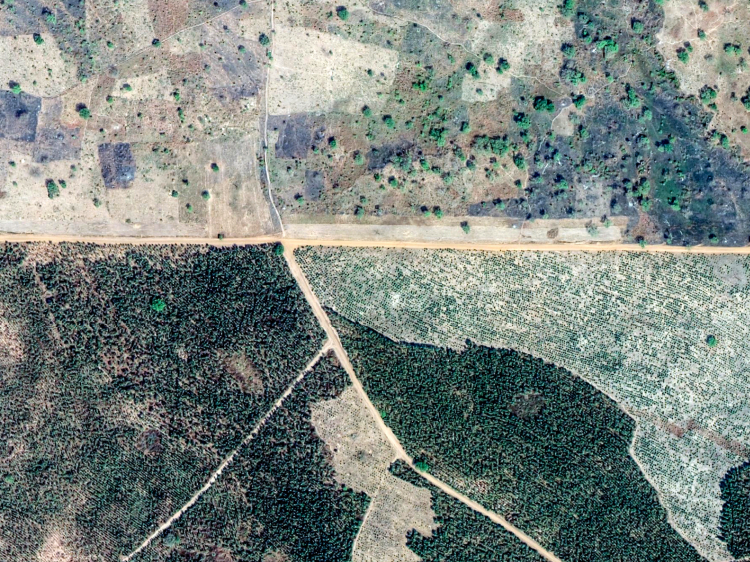
Satellite image of the boundary of the APSD concession. Google Earth
Wood still provides about half of Africa’s primary energy. In most rural areas there are hardly any alternatives and in the cities charcoal is usually the cheapest fuel available, leading to unsustainable levels of harvest around many densely populated areas.
As the demand for energy in Africa rises, more renewable energy is urgently needed. This has led to the establishment of a number of international finance mechanisms, such as the Sustainable Energy Fund for Africa (SEFA), a controversial [1] multi-donor trust fund administered by the African Development Bank. Denmark, the United States and Norway have committed 95 million US$ to support the development of small- and medium-scale renewable energy and energy efficiency projects in Africa. Originally, it co-sponsored the Africa Renewable Energy Fund (AREF), a 200 million US$ private equity fund which is now managed by Berkely Energy.
This should not be confused with AREI, the African Renewable Energy Initiative, which was established in 2015 and works under the mandate of the African Union. The European Commission and bilateral donors have pledged 10 billion US$ to achieve at least 10 GW of new and additional renewable energy generation capacity by 2020. After a slow start, 128 projects [2] have been adopted by AREI so far, but information on their status is generally lacking.
Although there seems to be a focus on solar, wind and small hydro power projects, ‘modern biomass’ [3] is also considered a viable option. Unfortunately, AREI’s funding
criteria [4] lack any distinction regarding the feedstocks that may be used in such power plants. Instead of limiting it to waste or genuine agricultural and forestry industry residues, it may also include whole trees or food crops.
Examples in Ghana (p5) and Nigeria (p11) help to illustrate the problems that may arise when relying on such feedstocks for the production of energy.
[1] https://globalforestcoalition.org/sustainable-energy-for-all-initiative-energy-expansion-at-any-cost-%E2%88%92reflections-on-the-un-sustainable-energy-for-all-day-20th-june-2/
[2] http://www.arei.info/projects.php?langue=an&varc2=adopt
[3] Here modern biomass is used as a technical term, as opposed to traditional biomass.
[4] http://www.arei.org/wp-content/uploads/2018/09/Approved-AREI-Criteria.pdf
Eucalyptus plantations in Ghana
A remote part of Ghana was chosen by the Norwegian company African Plantations for Sustainable Development (APSD) to plant eucalyptus trees for the single purpose of being burned to produce electricity. Since 2009, the company was able to secure access to about 42,000 ha of land in Brong Ahafo Province, on the western side of Lake Volta.
9,000 ha have already been planted. Some 22,000 ha of eucalyptus plantations will be needed to guarantee an annual supply of 600,000 m³ of logs. This amount of wood is needed to fire a 60 MW power plant that is planned to be operational in 2021.
Apart from AREF, [1] the project is sponsored by Erling Lorentzen, founder of the Brazilian pulp and paper company Aracruz Cellulose (which became Fibra and has since merged with Suzano, another big Brazilian pulp and paper company). "Having witnessed the employment and development benefits of large scale sustainably managed plantations in Brazil, Mr. Lorentzen wishes to transfer the benefits of his knowledge to Africa," it says in a presentation. [2]
According to information from USAID, [3] 50 year leases of the land were acquired only from traditional authorities that could prove ownership of the land. Because of fire risks in the plantations, the farm lands of 84 households that had been farming within the concession, but were living outside of it, were relocated to areas outside of the concession. Most farmers agreed because they were offered free plowing of their new fields.
But does that mean that there are really no conflicts over land that won’t be available for subsistence agriculture for the next 50 years? Many of the company’s claims sound too good to be true. It would be helpful if a local NGO could conduct an on the ground survey that takes into account the views of all stakeholders, and particularly women as they are disproportionately impacted by such schemes.
[1] https://www.berkeley-energy.com/project/apsd-2/
[2] http://newforestsforafrica.org/wp-content/uploads/2016/03/Session-D-APSD.pdf
[3] https://www.land-links.org/wp-content/uploads/2018/05/Investor-Survey-on-Land-Rights_Report-2018.pdf
Women and forests under pressure in Benin due to reliance on fuel wood and charcoal
By Fataï Aina, Association AMAF-Bénin
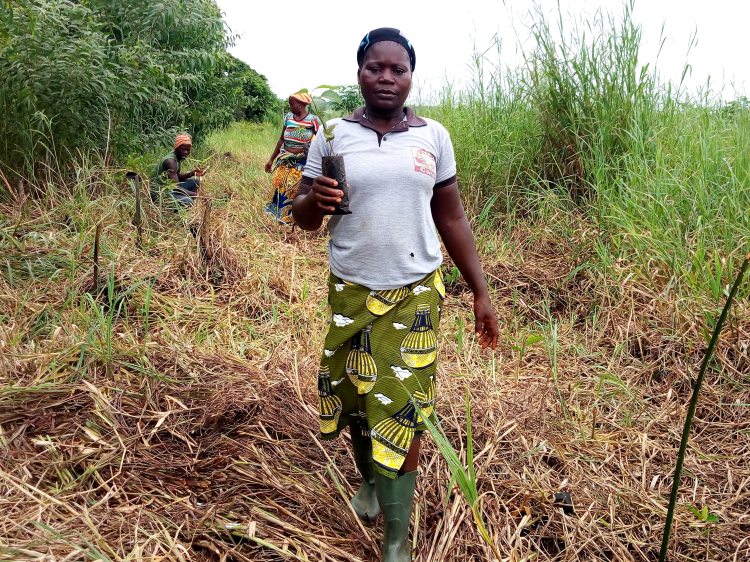
Women participating in a forest restoration initiative. Fataï Aina
Benin used to be covered with forests and was recognised in West Africa for the richness of its biological diversity thanks to the year-round availability of good quality water. Today only fragments and relics remain at best, mere memories of the forests that once stood.
The few forested areas that do still exist are uniformly distributed throughout the country. They are made up of private forests and protected forests in reserves or animal parks. But the loss of forest cover as a result of human pressures, particularly for firewood and charcoal production, is an ongoing serious threat to Benin's ecological balance. 80% of Benin's population depend on firewood and charcoal for cooking, [1] and the overall consumption of wood for energy purposes is about 4.8 million tonnes per year. [2]
In the rural areas of Benin, only the main towns are connected to electricity networks, representing some 10-15% of the population. Among the households that can technically connect, many are poor and cannot afford to do so. [3] This context reflects a high degree of energy insecurity for communities, made worse by rising fossil fuel prices.
In the absence of alternative domestic energy supply options, forests are threatened more and more by the ever-increasing demand for fuel wood. In recognition of this problem, initiatives such as tree plantations for fuel wood are being developed in order to meet the needs of consumers. However, deforestation is still accelerating as a result of uncontrolled harvesting of timber and firewood, the development of monoculture tree plantations for commercial purposes and the growing need for arable land as a result of population pressures. Important biodiversity is disappearing in the process.
The lack of access to energy for lighting, heating and cooking reduces the productivity of men and women in Benin and of society as a whole. But women bear a greater burden. Women and girls are forced to walk long distances to collect water and harvest firewood, and they also carry the burden of burning the wood too as they do the cooking. They are also generally disadvantaged at all levels in terms of ownership and access to land, natural resources, credit, information and education, and they are less able to participate in decision-making. Energy poverty does not therefore affect women and men in the same way, resulting in distinct economic and social outcomes for each group.
How forest resources are managed is the determining factor in whether or not the immediate need for energy from wood can be met in Benin, and forest management is therefore also of utmost importance to women. Although forest management policies and plans emphasise the participatory approach of forest resource management, and stipulate the involvement of indigenous and local communities at all levels, they do not indicate specifically how this should be done. This means that women and marginalised people are often left out of decision-making processes that govern the management of these vital resources.
It is crucial to take into account the realities of the different rights, roles and needs of women and men in relation to bioenergy, in order to better define how they can be properly acknowledged, respected and met in the management of forest resources. The implementation of such a rights-based approach will be beneficial for the promotion of sustainable and equitable use of forest resources and food security, and could also contribute significantly to conserving and improving the fertility of soils, controlling erosion and restoring microclimates.
[1] Fonds Africain de Développement – FAD, 2006
[2] Programme d’Action National d’Adaptation – PANA Energie, 2018
[3] Synergie Solaire, 2013
Biomass use in Togo: what are the risks for women?
By Fida Bagbo, Friends of the Earth Togo
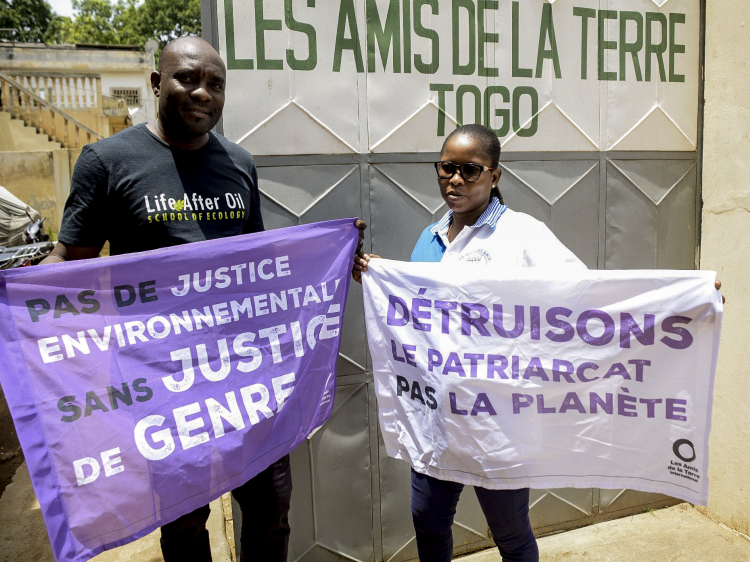
"No environmental justice without gender justice" and "Destroy patriarchy not the planet". Friends of the Earth Togo
Biomass is the most widely used fuel for meeting basic energy needs globally, but burning it as a source of energy is not without consequences. While the prevalence of chronic respiratory diseases is related to smoking in developed countries, it is related to the use of biomass in developing countries. Women use it for cooking and heating far more than men, and are therefore most affected.
According to the World Health Organization, more than 50% of the world's population is exposed to smoke from biomass burning, mostly in rural areas, with a foreseeable increase by 2030. “Air pollution threatens us all, but the poorest and most marginalized people bear the brunt of the burden,” says Dr Tedros Adhanom Ghebreyesus, Director-General of WHO. “It is unacceptable that over 3 billion people – most of them women and children – are still breathing deadly smoke every day from using polluting stoves and fuels in their homes... It is noted that half of all deaths from respiratory diseases in developing countries are attributable to exposure to smoke, and 75% of those deaths are women”. [1]
In Togo 50.8% of the energy used is from firewood, 40% is from charcoal and only 7.7% from butane gas. [2] 95% of households in rural parts of Togo still use wood as their main source of energy which is burned in open fires and in inefficient stoves. [3] As a result, more than 3000 people die from smoke inhalation each year, [4] most of whom are women. Children and girls in particular are disproportionately exposed to the health impacts of smoke as from an early age they spend the day with their mothers in poorly-ventilated kitchens. Studies show that children aged one to four are exposed to high levels of pollutants which can have long term health impacts for them. [5]
Another impact felt in particular by women is the fact that they are forced to collect firewood due to the division of labor imposed on them by society. The difficulty in accessing it results in an overload of work and a lack of time to devote to other productive activities such as paid work. It also causes other health impacts, in addition to the problems caused by exposure to smoke. [6]
Communities are aware of these biomass-related problems and in an effort to overcome them, community representatives from the Avé, Yoto and Tchamba Prefectures in Togo took part in a workshop organised by Friends of the Earth Togo to share experiences of the impacts of biomass on women’s health, and to build their capacity in gender-responsive forest conservation and restoration. They described how using wood and charcoal exposes them to smoke, and the women acknowledged that they use inefficient stoves and that their kitchens are poorly ventilated, exacerbating the risks to them and their children. Some described cases of coughs, colds and other respiratory infections following long exposure to smoke in their kitchens. The introduction and wider use of new, cleaner cooking technologies such as improved stoves was identified as a solution that could reduce pollution and improve the respiratory health of women and children.
The workshop also allowed communities to share information on the impacts of monoculture tree plantation developments in Togo. These include land grabbing and reduced access to land in general, which hinders women’s active participation in forest conservation activities, harm to biodiversity through deforestation and forest degradation and exacerbating climate change. In contrast, forest conservation encourages women's participation and values the important role they play, as well as protecting and restoring biodiversity. Tree plantations also encourage the increased use of biomass for energy needs as they make wood more readily available.
As key rightsholders in sustainable development, women need to be involved in discussions and decisions relating to biomass issues locally and nationally, both to protect their health and that of their children, and to contribute to reducing greenhouse gas emissions and deforestation.
[1] Salvi, S.S. and Barnes, P.J. (2009) Chronic Obstructive Pulmonary Disease in Non-Smokers. Lancet, 374, 733-743.
[2] Communication of AGBETI, 2016 National statistics from INSEED
[3] http://www.fao.org/3/a0789f09.html
[4] http://jve-international.net/index.php/2019/06/
[5] Kodgule, Rahul & Salvi, Sundeep. (2011). Exposure to biomass smoke as a cause for airway disease in women and children. Current opinion in allergy and clinical immunology. 12. 82-90.
[6] Togo National Policy for Gender Equity and Equality, 2011
Should improved biomass stoves be supported with climate finance?
By Almuth Ernsting, Biofuelwatch, Scotland
A clean cookstove. United States Mission Geneva/Flickr
Improved or clean biomass cookstove projects in the global South–particularly in rural areas–have been a popular choice for climate finance, ranging from carbon offsets under the Clean Development Mechanism, to the Green Climate Fund and bilateral climate finance.
According to a modelling study in 2016, phasing out traditional biomass cookstoves could reduce global warming by 0.1oC and prevent over 10 million premature deaths by 2050. [1] Universal access to clean cooking would undoubtedly improve the lives of hundreds of millions of women and children and save some 3.8 million people from premature death every year. [2] It would also reduce pressures on forests in many regions of the global South, even though there are, overall, far bigger drivers of deforestation and forest degradation than traditional biomass use.
Improved biomass cookstoves have been promoted since the 1950s, [3] initially for energy access and health and in recent years increasingly for climate change mitigation, too. The idea is that such stoves will minimise harmful indoor air pollution, thereby protecting the health of women and children, and that they will reduce the amount of wood and other types biomass burned.
Climate finance projects that promote improved biomass stoves involve the large-scale dissemination or low-cost sale of ‘efficient’ stoves to communities, with many also involving the promotion of wood from tree plantations as a so-called ‘sustainable’ feedstock. Greater efficiency is assumed to result in lower wood use and in lower indoor air pollution, although in some of those projects, emissions tests may be carried out.
Yet studies of stoves projects that are representative of ones being promoted through climate finance show that children’s health is not being improved at all, [4] and that women’s health is at best improved marginally and only for a limited period. Indeed, the longest and largest trial so far – based on Orissa, India – revealed no health benefits at all. [5] Similarly, there is no evidence that wood use is reduced long-term. Reasons for failure include:
stoves being disseminated which have been shown to perform efficiently and with low emissions when used to boil a pot of water under laboratory conditions – but turn out not to be nearly as clean or efficient when used to cook family meals; [6]
stoves which are only efficient and less emissive if they are operated in ways that are not practical for women – e.g. if wood needs to be cut into tiny pieces;
failure to maintain and repair stoves because support is not available and/or women have to spend more time on stove maintenance than they save on reduced fuelwood use or cooking time.
This is not a reflection on community initiatives to develop and use more efficient and cleaner biomass stoves, which is often the only thing that communities can do themselves to mitigate some of the impacts of biomass burning. There are also examples of such schemes working. One trial that has been widely cited as showing as evidence for health benefits of a stoves programme is the RESPIRE study in highland Guatemala. [7] There, women who were given improved biomass stoves suffered less respiratory symptoms after 18 months than ones continuing to rely on traditional stoves. The stoves were of higher quality and more expensive than ones used in most of the large biomass stoves programmes. They were adapted to local needs, and women were visited every week and had their stoves maintained and repaired whenever needed. Similar community projects may well improve women’s quality of life and reduce fuelwood use.
Nonetheless, as a 2016 study showed, not a single programme that involves solid biomass stoves meets the World Health Organisation guidelines on indoor air pollution. [8] Wherever biogas, solar stoves or electrification of cooking are available as alternatives, those will benefit the health of women and children more than any improved biomass stove.
The claims that improved biomass stoves reduce greenhouse gas emissions are also questionable.
The main argument is that burning wood in traditional biomass stoves emits CO2, and that switching to more efficient stoves would result in less wood being used and thus less CO2 emissions. For example, the Green Climate Fund recently approved a biomass stoves project in Kenya and Senegal. [9] The Environmental & Social Safeguards Report for that project argued that in Sierra Leone, 66% of greenhouse gas emissions come from biomass burning, compared to one third from fossil fuel burning. More efficient biomass stoves would reduce wood burning and thus emissions.
However, as with the health claims, suggestions that large-scale dissemination of more efficient stoves can be relied upon to reduce wood burning are not borne out by the evidence. For example, a 2011 study of improved stoves in Nepal found that the opposite was
true. [10]
Last but not least, there is a fundamental problem with accounting for carbon emissions from burning fuel wood: under the Kyoto Protocol, industrial countries do not account for the combustion emissions from biomass. [11] Across Europe, North America and now in Japan and South Korea, energy companies are burning millions of tonnes of forest and tree plantation wood, and this is classified as ‘carbon neutral’ and rewarded with renewable energy subsidies. The rules which allow this to happen have been heavily criticised by scientists and environmental campaigners.
Yet at the same time, fuelwood burned by women in the global South is being classified as ‘non-renewable biomass’, responsible for greenhouse gas emissions. Such dual standards in carbon accounting need to be denounced.
[1] Transient climate and ambient health impacts due to national solid fuel cookstove emissions, Forrest G. Lace et.al., PNAS, December 2016
[2] https://www.who.int/airpollution/en/
[3] https://www.aepc.gov.np/improved-cooking-stoves
[4] Impact of improved cookstoves on women’s and child health in low and middle income countries: a systematic review and meta-analysis, Megha Thaku et.al., Thorax, 2018
[5] Up in Smoke: The Influence of Household Behavior on the Long-Run Impact of Improved Cooking Stoves, Rema Hanna et.al., American Economic Journal: Economic Policy, February 2016
[6] See for example Up in Smoke: The Influence of Household Behavior on the Long-Run Impact of Improved Cooking Stoves, Rema Hanna et.al., American Economic Journal: Economic Policy, February 2016
[7] Effect of Reducing Indoor Air Pollution on Women's Respiratory Symptoms and Lung Function: The RESPIRE Randomized Trial, Guatemala, Tone Smith-Sivertsen et.al., American Journal of Epidemiology, June 2009
[8] Health and Climate-Relevant Pollutant Concentrations from a Carbon-Finance Approved Cookstove Intervention in Rural India, Ther W. Aung et.al., Environ. Sci. Technol., 2016, 50 (13)
[9] https://www.greenclimate.fund/projects/fp103?inheritRedirect=true&redirect=%2Fwhat-we-do%2Fprojects-programmes
[10] Unbelievable but improved cookstoves are not helpful in reducing firewood demand in Nepal, Mani Nepal et.al., Environment and Development Economics, February 2011
[11] https://www.pfpi.net/wp-content/uploads/2011/03/Searchinger-et-al-2009.pdf
Community-run biodigesters are increasing climate resilience for women in Burkina Faso
By Zénabou Segda, Women Environmental Programme, Burkina Faso
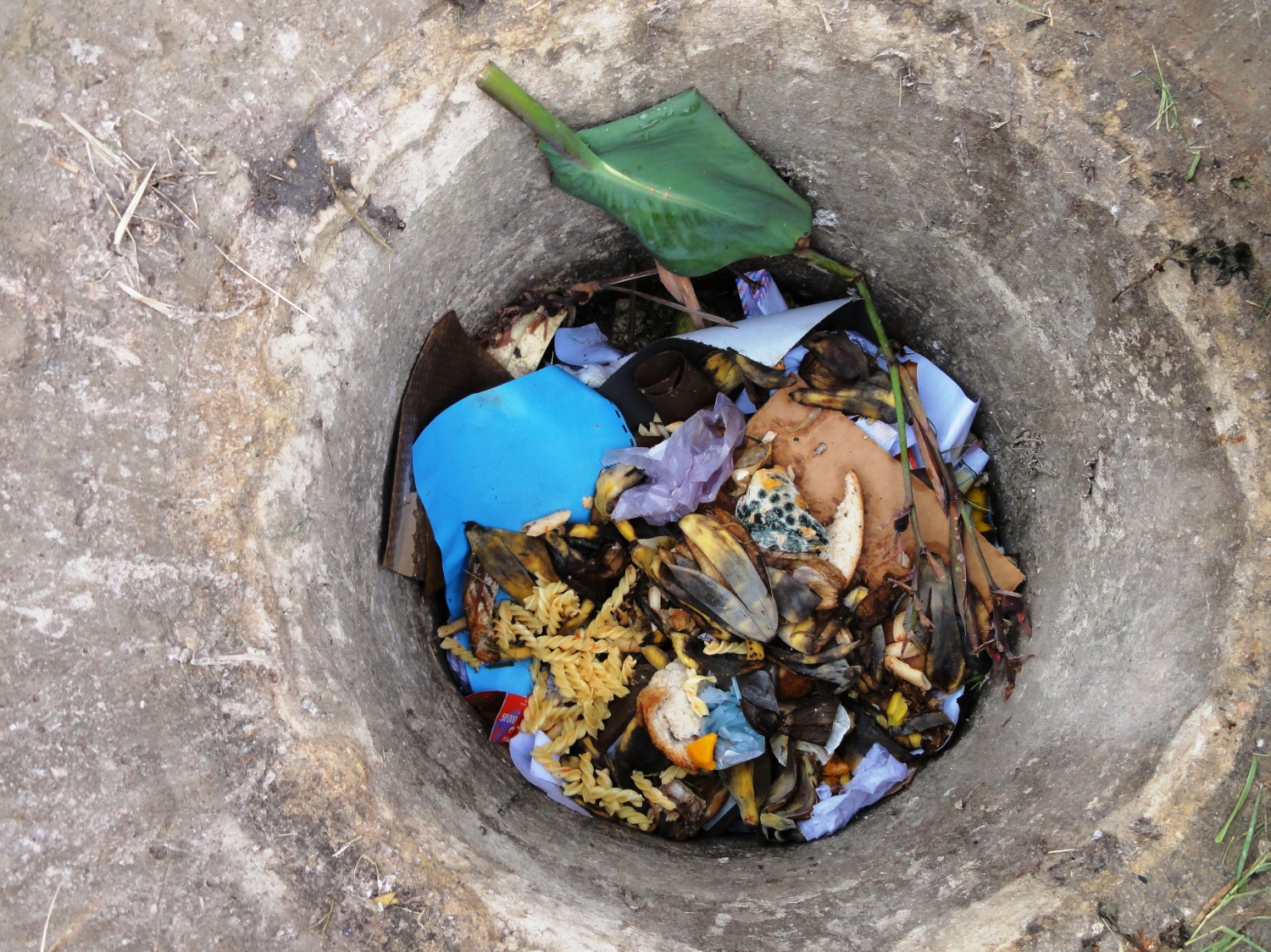
Feeding a biodigester, which can accept any organic material and degradable carbon. SuSanA Secretariat/Flickr
Roumtinga is a village near Ouagadougou in Burkina Faso where producers are organised into associations around activities such as agriculture, livestock farming and market gardening, and where the rights and roles of women are attracting more attention.
Women are disproportionately impacted by climate change and Roumtinga is increasingly vulnerable to it, being an area that suffers from a lack of water, soil infertility, and a lack of financial resources to improve these problems. This poses a threat to livelihoods and has the effect of aggravating food insecurity and increasing poverty. The community has an increasing need for alternative sources of energy and agricultural inputs, which form a large part of overall expenditure.
Women in Roumtinga are highly dependent on biomass for cooking and meeting other basic energy needs. Often they must harvest wood in an unsustainable way to ensure their survival and that the energy needs of their households are met. This very large dependence on biomass has many harmful impacts on the local environment through deforestation, and global impacts by accentuating climate change. The negative impacts on living conditions are also considerable, in particular biomass collection which is an exhausting and daily task performed by women, and due to the health risks associated with smoke inhalation.
The intensive and uncontrolled use of chemical fertilizers on farms also causes significant environmental problems in the community, such as air pollution, and it affects the quality of dam water, which is the only water that women farmers have access to for agricultural activities.
In an effort to make the community more resilient and mitigate its carbon emissions, the village is aiming to build 10 biogas digesters with the support of the Institut de la Francophonie pour le développement durable (IFDD), with work starting at the end of this year. On a community scale, biogas biodigesters produce clean and safe energy as well as good-quality fertilizer through the fermentation of organic waste. The technology is very beneficial and offers improvements on many levels. It makes it possible to intensify agro-pastoral production, to diversify the energy supply, and to strengthen women's adaptation capacities in the face of climate change.
The technology gives women the ability to produce green energy for cooking and lighting which reduces the use of wood and fossil fuels and the impacts associated with them. It also produces compost to improve agricultural productivity, which encourages better waste management and reduces pollution from it.
Economically, using a biodigester allows village women to make substantial savings in energy and fertilizer use, and biogas lights also allow women to engage in income-generating activities in the home.
On a social level, using biogas for cooking protects women from certain diseases such as respiratory problems and eye problems. Producing biogas from waste also makes it possible to make the living environment more pleasant and to relieve women's burden of looking for and harvesting wood.
Using Roumtinga’s agricultural and farm waste could contribute to the transition to the Green Economy that has already started in Burkina Faso. The National Biodigester Program is already a big step for the country, but the limits of the financial support available may slow down the enthusiasm of rural households and women for this important tool and its potential to improve their living conditions and livelihoods. The women producers of Roumtinga must be given support to acquire the technology, for the sustainable development of their rural environment.
If nothing is done to support women and communities in the precariousness in which they live, how can they prosper? How will it be possible to make their farms productive and profitable, and increase theit resilience by creating endogenous, environmentally friendly added value? Providing adequate support for community-led biogas schemes could be an important and equitable solution to the growing problems they face.
Biogas offers a safe and effective alternative to burning wood if done at an appropriate scale and using the right feedstock. There are an increasing number of community-led biogas initiatives that rely on locally-produced organic waste and they need support. On the other hand, the industrial livestock sector in many parts of the world has been heavily pushing biogas as a solution to deal with waste from hugely unsustainable farming practices. As with all technologies, feedstock, scale and regulatory oversight are of upmost importance to ensuring sustainability.
Bioenergy in Nigeria: a solution or problem for people and the environment?
By John Baaki, Women Environmental Programme, and Nkiruka Okonkwo, Fresh & Young Brains Development Initiative (FBIN), Nigeria
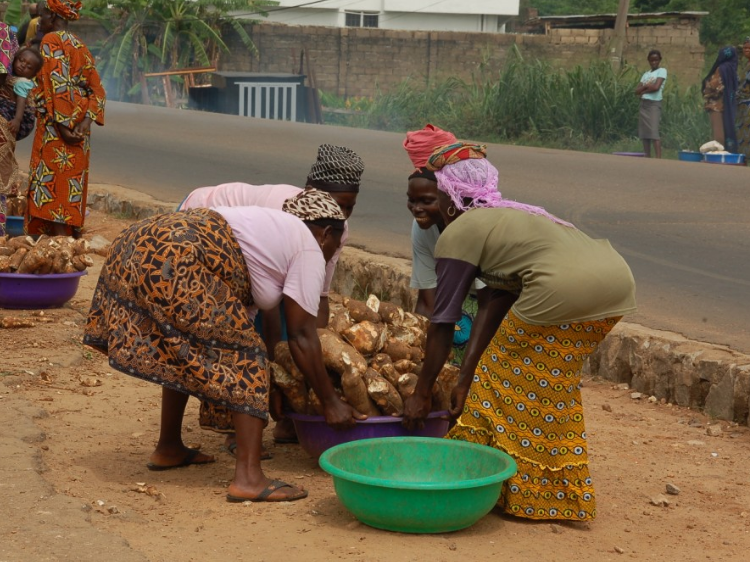
Women selling cassava at a market. International Institute of Tropical Agriculture/Fickr
According to the United Nations Development Programme (UNDP), “Energy is central to sustainable development and poverty reduction efforts. It affects all aspects of development – social, economic and environmental – including livelihoods, access to water, agricultural productivity, health, population levels, education and gender-related issues...”. None of the Sustainable Development Goals (SDGs) can be met without major improvement in the quality and quantity of energy services in developing countries.
As important as it is, access to modern energy services remains very low in Nigeria and many Nigerians rely heavily on the use of traditional biomass. It is estimated that 93 million Nigerians have no access to electricity despite endowment with huge energy resources such as oil, gas, solar, hydro, and wind, amongst others.
As a party to the United Nations Framework Convention on Climate Change (UNFCCC) and a signatory to the Paris Climate Agreement, Nigeria has started exploring energy from renewable sources more than ever before. The focus has now turned to biofuels, to produce ethanol to blend in transport fuels. Recently, the Nigeria National Petroleum Corporation (NNPC) signed a Memorandum of Understanding (MoU) with two Nigerian-Chinese consortia to build no less than ten large biofuel complexes across the country. A statement signed by NNPC's spokesperson revealed that "the aspiration for the exploitation of renewable fuel resources in Nigeria is to implement our nationally determined contributions to the Paris Agreement; part of which requires the blending of 10% by volume of fuel-ethanol in gasoline and 20% by volume of biodiesel in automotive gas oil (diesel) for use in the transportation sector."
Another MoU was signed between the Federal Government of Nigeria and Global Biofuels Ltd in 2012 for the construction of 15 integrated biofuel plants estimated to gulp 414 billion Nairas (1 billion Euros) in 12 different states. These biofuel plants are expected to convert the juice from sweet sorghum stalks into ethanol.
In Ondo State, the State Government expressed its intention to ensure that a cassava to ethanol plant being built there becomes operational by the end of 2019. About 6,400 hectares of land is required for cultivation of cassava to feed the ethanol factory, which will requite around 150,000 tonnes of cassava annually. Over 5,000 farmers in the state are being engaged to meet the 350 tonnes per day requirement of the
factory. [1]
While the above efforts can be lauded for their intended positive impacts, such as reducing emissions from the transport sector and job creation for unemployed youth, little is known about the negative impacts of the operations of these plants on the environment, forests, food security, access and rights to land and on people’s livelihoods.
Building so many new biofuel plants requiring large volumes of sorghum and cassava will degrade soils where the feedstock is grown and will require harmful chemical inputs that are likely to pollute ground water and impact community health. A recent study on the impacts of biofuel production in Nigeria showed that while feedstock cultivation will translate into economic gains for rural farmers, it could also lead to land grabbing. The study also observed significant deforestation for feedstock production in the study areas. [2] Given that such vast areas of land are required for growing energy crops, these new installations will undoubtedly require even more forested areas to be cleared.
There are also likely to be adverse effects on food security for the host communities as more emphasis will be placed on cultivating what will quickly bring income than on what really has nutritional value. If subsistence agriculture is undermined, this will stretch women’s finances in particular, as they will be forced to buy food outside of harvest season at exorbitant prices. There is a further serious risk that the biofuel plants could be forced to reduce production or close altogether, which would leave farmers that had been contracted to brovide feedstock in a precarious position. This would negatively impact food security even further, as was recently the case in Sierra Leone when a sugar cane to ethanol plant stalled. [3]
The impacts described above are likely to be felt more acutely by women. For example, Nigeria is a patriarchal society where women have insecure rights to land and men are recognised as the rightful owners of family land. Where farmers are encouraged to sell their land for the cultivation of feedstock, women do not have decision-making power, despite the fact that they do the bulk of the work involved in providing food for families. Any reduction in women’s access to land means that there is less land available for producing food for families on. A further impact that will disproportionately affect women is the fact that when forests are cleared to cultivate feedstock, access to non-timber forest products is reduced, which the livelihoods of many women and their families depend on.
While the efforts to produce alternative energy are commendable, the questions to ask when embarking on such projects are: will the negative environmental impact outweigh the potential short-term economic gains for some groups? Will the supply of the feedstock be sustainable? Which renewable energy project will deliver better environmental benefits? For it will be unwise, in a bid to solve one environmental problem, to create another.
[1] http://ondostate.gov.ng/Home/NewsItem/Ethanol-project-in-Ondo-requires-6-400hectares
[2] B. O Balogun and A. T. Salami, 2016. “Effects of biofuel production on selected local Communities in Nigeria”, Journal of Petroleum Technology and Alternative Fuels
[3] https://swedwatch.org/en/regions/africa-south-of-the-sahara/swedfund-fmo-lacked-responsibility-leaving-project-without-exit-strategy/
The impact of bioenergy developments and practices on communities and women in Liberia
By Salome Gongloe-Gofan, Rural Integrated Center for Community Empowerment (RICCE), Liberia
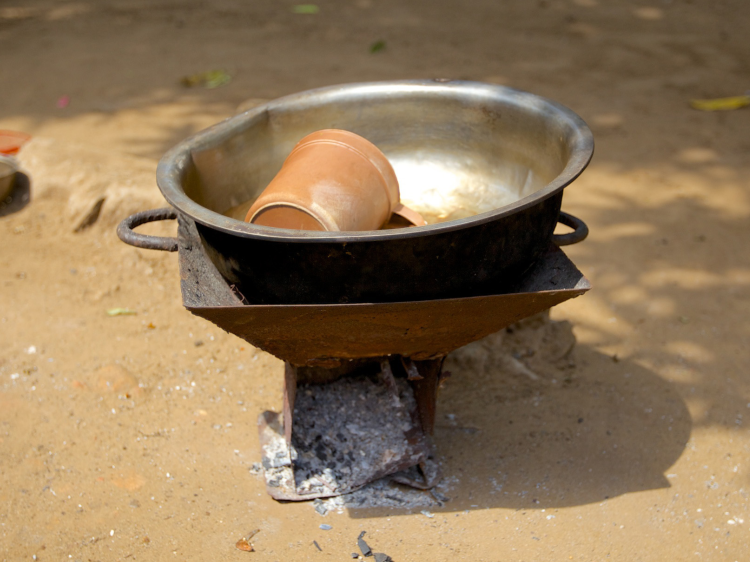
A traditional cookstove in Liberia. Dollar Street/Flickr
Like other Sub-Saharan African countries, firewood and charcoal are the main energy sources used in Liberia. According to the United Nations Development Program (UNDP), up to 99.5% of Liberia’s population relies on biomass-based fuels as their main source of energy.
The overwhelming and persistent use of bioenergy in Liberia does not necessarily mean that it is a clean, green alternative to fossil fuels or a viable climate solution. Rather, it is a result of a deficit of other renewable energy options, where communities have no choice but to meet their energy needs by burning wood.
Liberian women, particularly rural women, bear the biggest human burden of the energy crisis through the time and effort necessary to collect wood and water and to grow and sell food. This is worsened by the increasing travel distances for wood due to the disappearance of nearby forests. This burden imposes a setback on the education and economic advancement of women and girls.
In 2015 the Government of Liberia undertook ambitious measures to rebuild its electricity infrastructure following a civil war that had destroyed much of the country’s power sector. At approximately 12%, Liberia has one of the lowest electricity access rates in the world. In the capital Monrovia, less than 20% of the population has access to electricity. By 2030, the Government of Liberia aims to connect 70% of the population in Monrovia and provide access to 35% of the rest of the country’s population.
In June 2015, the Liberian Legislature passed into law the act that created the Rural Renewable Energy Agency (RREA), a longstanding policy objective supported by USAID through its Power Africa program. The RREA has subsequently provided policy support for bioenergy as a renewable energy. With further support from USAID, Liberia has since completed 3 renewable energy pilot projects connecting 564 rural households using solar panels, rubber tree wood chips and crude palm oil. [1]
USAID has also provided support for the commissioning of the Kwendin Biomass Project which produces electricity from a biomass gasification system using rubber tree wood chips.
Though investment in biomass supply chains involving charcoal, wood and agricultural residues have offered some socio-economic benefits through temporary energy security and job creation, the negative impacts outweigh the economic benefit of income generation for a few people. Rural electrification using much safer and more reliable energy sources such as small-scale hydroelectricity and solar power is urgently needed to replace the use of biomass for energy. This would have the added benefit of slowing the growing environmental degradation and social impacts that impede communities’ safety and development.
While energy remains a significant driver for Liberia’s development, the continuation of business as usual with the use of biomass as a primary energy source both at small and large scale will further exacerbate the growing problem of deforestation and environmental degradation, already being felt by rural communities.
The continued use of biomass for energy and the replacement of natural forests with monoculture tree plantations such as rubber trees, oil palms and others energy crops further degrade the environment. The outcome is the loss of biodiversity, soil erosion, indoor air pollution, and increased workload which mostly affects rural communities, and particularly women. Liberia is home to approximately 42% of the remaining forest in West Africa which includes the Upper Guinean Forest biodiversity hotspot that stretches across the country. However, this may be substantially degraded to supply large quantities of wood biomass.
The European Union (EU) admitted that biofuels might be as much as four times more damaging to the climate than conventional fuels due to their indirect impacts. [2] Still, such impacts are being ignored in policy discussions. Promoting wood based bioenergy ignores the fact that a rapid increase in wood demand will have immense negative impacts on the world's forests and forest dependent communities that are already suffering from the impacts of monoculture tree plantations that are expanding onto their lands.
Given the above mentioned negative impacts of bioenergy, a robust national energy policy moving beyond bioenergy is urgently needed, especially given Liberia’s growing energy need. Such policy must give the population access to cleaner and less harmful forms of energy, and not tie the country into outdated and dangerous burning, whether it be bioenergy or fossil fuels.
[1] https://www.usaid.gov/powerafrica/liberia
[2] https://globalforestcoalition.org/wp-content/uploads/2010/10/briefing-paper-bioenergy_final_1.pdfEditorial Team: Coraina de la Plaza, Isis Alvarez, Jeanette Sequeira, Juana Vera Delgado, Kwami Kpondzo, Oliver Munnion, Simone Lovera and Rachel Smolker
Editor: Oliver Munnion
Graphic Design: Oliver Munnion
This Forest Cover was made possible through support from EU-DEVCO and the Swedish Society for Nature Conservation (SSNC). It was inspired by a West African skillshare organised in March 2019 that was supported by SSNC and the American Jewish World Service. The views expressed by our contributors are not necessarily the views of donors.