Gender Justice & Forests
Forest loss threatens ecosystems and the lives, livelihoods, and traditions of many communities, disproportionately impacting women in all their diversity, Indigenous Peoples, and Afro-descendant and rural communities. It deepens gender inequalities, increases women’s burden of labour, and limits their access to resources and decision-making power.
Our Gender Justice and Forests Campaign promotes decolonial, feminist approaches to forest conservation that centre the rights, knowledge, and leadership of women in all their diversity. We work with our members to dismantle intersecting systems of oppression, reduce gender gaps, and ensure inclusive, community-led forest governance that values care, equity, and collective power as essential to climate and environmental justice.

Read more . . .
Forest ecosystems are crucial to maintaining countless diverse but interconnected living systems and spaces that sustain people’s livelihoods, replenish water sources, and nurture biodiversity, which all combine to form important parts of a healthy environment.
Deforestation harms these connected systems because, in addition to causing the destruction of biodiversity, drying of water sources, and soil erosion, it also directly impacts forest communities and the healthy subsistence of humanity in general. This in turn creates new inequalities and exacerbates existing ones, including gender oppression, as people lose their primary means of livelihood, their territories, as well as the socio-cultural activities deeply linked to their forests. Often, women in all their diversity, children, youth, elders, people with disabilities and Afro-descendant communities are disproportionately affected by forest, biodiversity, and water loss given that their daily multiple roles, ethnic-racial relationships, practices, mental/physical health and agency depend on healthy forest ecosystems. Ultimately, forest loss leads to a disproportionate increase in women’s burden of work, both reproductive and productive, undermining their ability to effectively participate in decision-making processes.
GFC’s Gender Justice and Forests Campaign promotes redistributive justice actions to protect forest ecosystems and the rights of women in all their diversity, particularly Indigenous, rural peasant, Afro-descendant and ethnically diverse women, through developing strategic and technical policies, as well as campaign activities with our member groups to mainstream decolonial and transformative gender approaches.
The campaign’s strategic actions seek to contribute to dismantling oppressions and address the complex intersections of colonialism, patriarchy, racism, and other forms of violence in the context of forest conservation. Women’s access to decision-making, power, and control over resources is central to inclusive forest conservation, including equal access to tangible resources (land, water, seeds/biodiversity, and food) and intangible resources (knowledge, culture, history, etc), free from violence and the destruction of their environment and forest territories. We work with members to support reducing gender gaps in forest communities and engage men, youth, elders, and gender-diverse individuals in transforming power dynamics, ensuring that the agency and voices of women in the Global South are respected.

From False Solutions to Transformative Change
Forest Cover 70 brings together powerful case studies and firsthand testimonies from GFC member groups and allies in Bangladesh, Bolivia, Chile, Morocco, Panama, and Zambia.
This edition exposes how extractivism and corporate-driven “green” solutions act as systemic barriers to gender-just, community-led real solutions to the climate and biodiversity crises.
International Women’s Day: Gender Justice and Feminist Emancipation Are Fundamental to Protect Forests
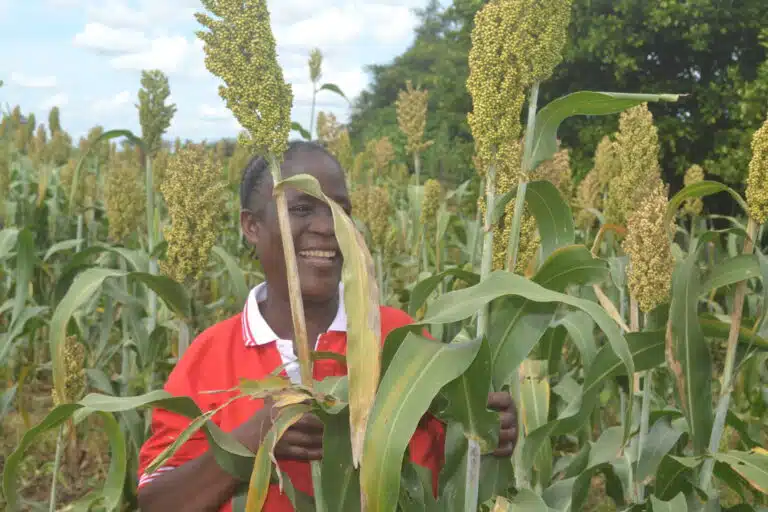
Photos by: Kapyanga Women Association and Zamsof...
From False Solutions to Transformative Change
How Communities are Overcoming Systemic...
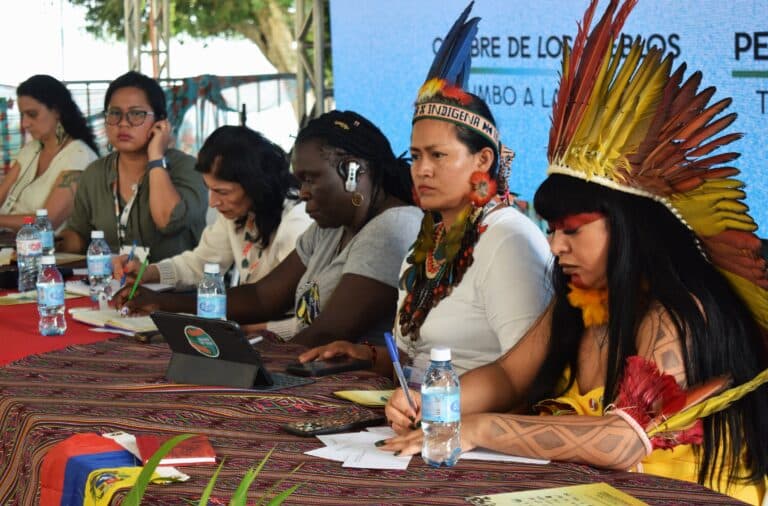
People’s Summit: Tribunal in Defense of the Bodies and Territories of Women and Gender-Diverse People
By the Brazilian Women’s Alliance (AMB), the...