Investments of the Arbaro Fund in Paraguay
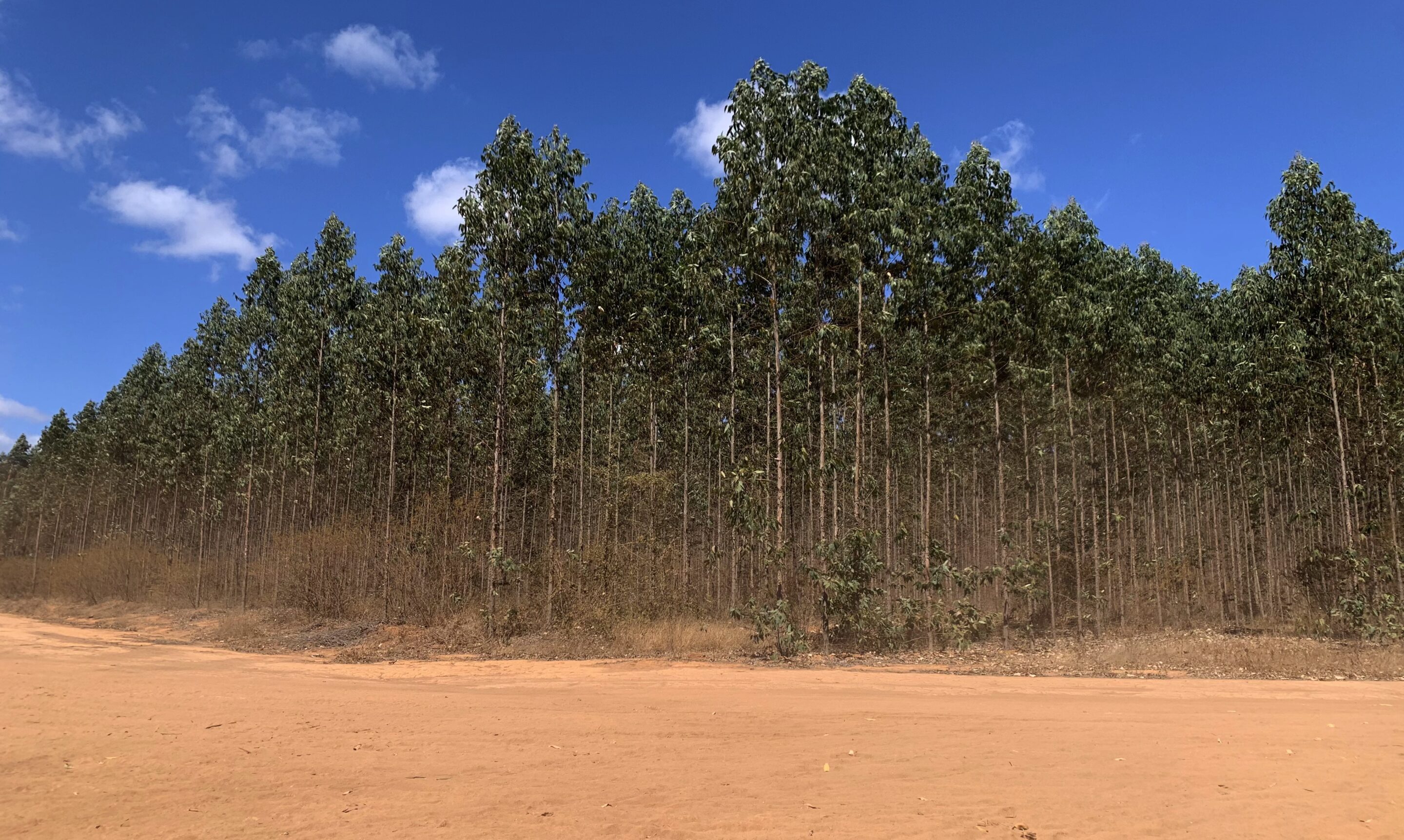
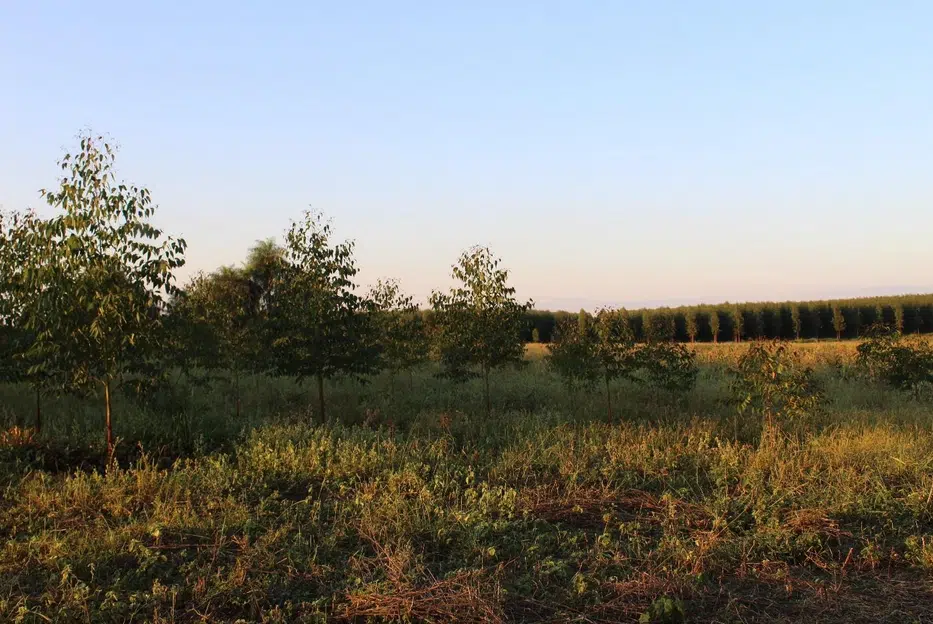
The Arbaro Fund is co-owned by two German firms, the asset management company Finance in Motion and UNIQUE forestry and land use GmbH. Unique was recently criticised for its role as both a consultant to government forest restoration efforts and a private-sector forestry company. It has direct investments in plantation projects, and advises governments and other institutions to develop industrial tree plantation projects in the name of forest restoration and climate mitigation. In addition to As well as its two investments in Paraguay through the Arbaro Fund, Unique manages plantations on behalf of the Paraguay Agricultural Corporation (PAYCO), a company that has been associated with numerous conflicts with Indigenous Peoples and peasant communities over its operations, which include eucalyptus plantations and intensive livestock farming. Heñoi visited San Pedro in Eastern Paraguay, at the heart of the country’s eucalyptus boomexplosion, to assess the impacts of the Arbaro Fund’s investments there and, by implication, the impacts of public climate finance awarded by the GCF. Following a dozen in-depth interviews with local residents – most of whom are peasant farmers – and plantation employees, they published a case study with the support of the Global Forest Coalition. Their investigation shows how eucalyptus plantations are having profound impacts on communities and undermining the very fabric of peasant life. Forestry companies are taking advantage of insecure land rights and decades of harm already caused by the intensive livestock and agro-industrial sectors to produce yet another commoditycommoddity on this land. This time, it’s eucalyptus wood that is ultimately destined for pulp and paper production, or to be turned into charcoal to produce steel or dry grains like GMO soy. The companies promise to bring jobs and development, but they offer benefits selectively, dividing communities and families. An interviewee explained: “not a single person here has benefited, [there has been] no benefit at all for the poor or for the community. They say they are going to help the community grow, but it’s just harm; instead of helping [us], they want our land.”GCF’s funding for land-based projects is incentivizing false solutions
The GCF’s mandate is to help developing countries cope with climate change and to reduce emissions through. Yet despite criticism from civil society,, and so the funding is ostensibly aimed at promoting so-called climate friendly policies like forest restoration. The Arbaro Fund claims that it will capture 20 million tons of carbon with its plantations, but this creative accounting does not match the reality. The sad truth is that, on the ground, public funding through the GCF for land-basedthese projects often fuels dispossession and poverty for Indigenous Peoples and local communities in places like Paraguay, which offers a small but poignant example of the problem. So far, the GCF’s Arbaro Fund investment committee has signed off three of up to 12 investments into industrial tree plantation projects that the Arbaro Fund will undertake with GCF financing. The impacts of the two in Paraguay have been exposed by Heñoi’s investigation, and the third investment, involving Miro Forestry in Ghana, has also been called out for its unacceptable impacts. It is therefore vital that the GCF’s big contributors, including the German Government, step in to ensure that the mistake of investing in tree plantations in the name of climate mitigation isn’t repeated again and again. Germany’s seat on the GCF board means that it has the power to influence the direction ofthat international climate finance takes, and to ensure that the projects that are fundedreceive finance genuinely contribute to fighting climate change. ForIn order for this to happen, false solutions such as industrial tree plantations and bioenergy need to be taken off the table and excluded from the scope of international climate finance mechanisms. Guest post by Megan Morrissey, Global Forest Coalition, and Omar Yampey, Centro de Estudios Heñoi Read more: Full case study “These are not forests: The Arbaro Fund and monoculture tree plantations in Paraguay“Photo by Omar Yampey, Centro de Estudios Heñoi